

PHAGE 101
Phage Classification

01
LYTIC
Lytic phages rapidly destroy bacteria through lysis, which is the release of an enzyme that breaks down cell walls.

02
TEMPERATE
Temperate phages lie dormant inside bacterial DNA for varying amounts of time before eventually destroying the bacteria through cell lysis.
Phage therapy only uses lytic phages for their ability to eliminate bacteria quickly.
FUTURE applicationS
The Future of Phage Therapy
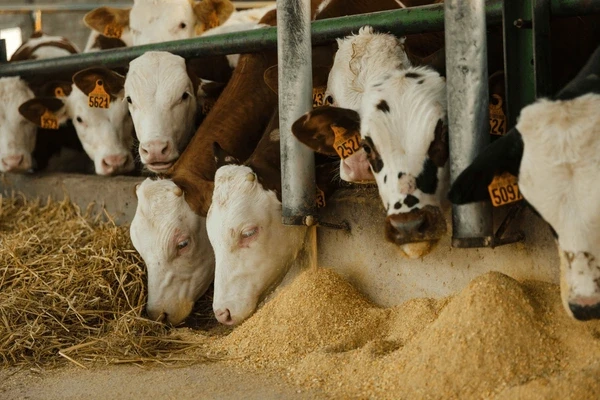
Phages hold extraordinary potential to transform how we protect life from bacterial threats. Most urgently fighting antibiotic-resistant superbugs in humans and preventing disease in livestock. However their potential applications have a great range.




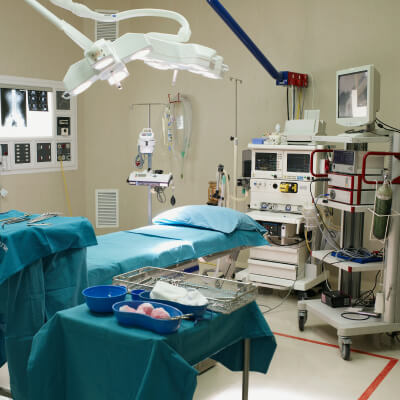
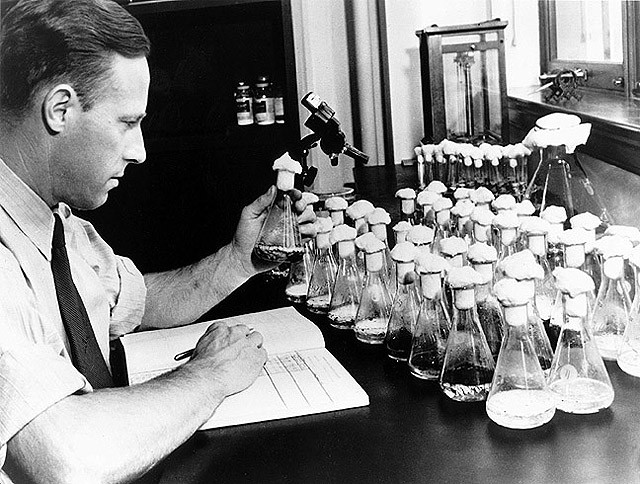
For the past 100 years, phages have journeyed from groundbreaking discovery to near abandonment. Now with advancements in microbiology and artificial intelligence, they are emerging as a solution to the antimicrobial resistance (AMR) crisis.




What is phage therapy?
Phage therapy is the use of bacteriophages to treat pathogenic bacterial infections.
Are phages safe for humans?
Phages have an excellent safety profile because they're naturally occurring and highly selective. They only attack specific bacterial targets, leaving human cells and beneficial bacteria untouched.
What happens to all the phages after a bacterial infection is treated?
Phages cannot survive without their host bacteria. The body’s immune system naturally clears out any remaining phages that are no longer needed. This is done by white blood cells responsible for clearing out debris and dead cells from the body (macrophages).
Are animals treated with phages safe to eat?
Yes. Humans and animals are naturally in contact with high amounts of bacteriophages produced natively in the gastrointestinal tract as well as food, water, and the environment.
Can bacteriophages replace antibiotics?
Phage therapy represents a paradigm shift in treating bacterial infections and can greatly reduce the need for antibiotics. It is unlikely there will ever be one tool capable of treating all bacterial infections, but phages are a powerful tool to prevent and cure bacterial infections in addition to antibiotics, vaccinations, and good hygiene practices.
Why isn’t phage therapy already widely available?
The main reasons are technological development and regulatory pathways. Phage therapy couldn't be scaled initially because scientists lacked both the laboratory tools for precise phage identification and the technology to design personalized phage medicines quickly enough. Advances in microbiology and artificial intelligence are now changing this. The biological nature of phages also requires a different regulatory approach than traditional antibiotics (a chemical). Regulatory agencies around the world are actively working to establish pathways for this promising technology in order to relieve the burden of the antimicrobial resistance (AMR) crisis.
Can I use it on my pets?